


How can manual therapy help headaches?
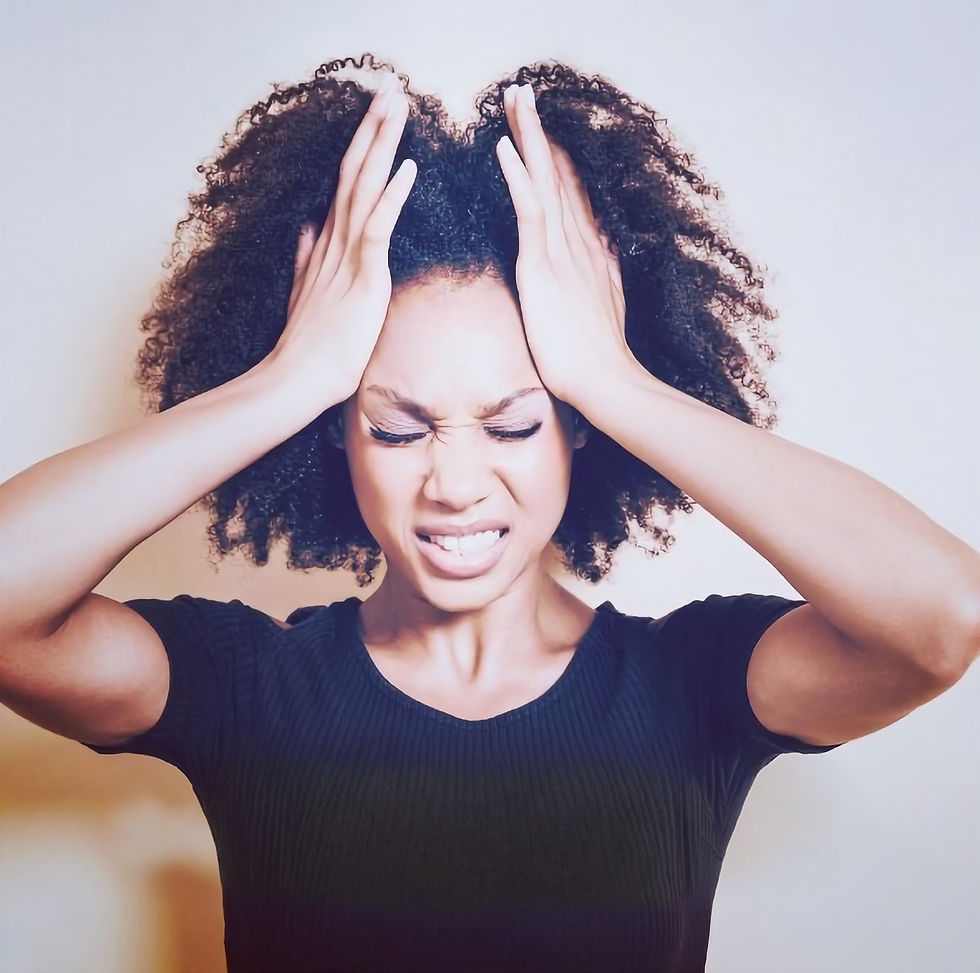
In the most recent Global Burden of Disease study (2022), the estimated global prevalence of headaches is 52%. In Australia, we are not far off. Over 46% suffer from headaches or migraines, that's over 11.9 million people! And women seem to suffer significantly more than men.Manual treatment and exercise prescription could be a good treatment option for you, rather than a trip to the pharmacy. Research suggests that manual therapists can help, definitely not all types of headaches, but some.
Chiropractors are well placed to help and will likely recommend one or more of the following:
Joint manipulation or mobilisation to gently restore movement to your neck and/or thoracic spine
Dry needling to ease your muscle tightness, pain and swelling
Myofascial release and Active Release Techniques to address your long-standing tension
Therapeutic stretching or PNF (Proprioceptive neuromuscular facilitation)
Exercise prescription to retrain movement, endurance and control
Chiropractic care is a low risk, drug-free and effective form of treatment for headaches and migraines. Get in touch if you are experiencing headaches or migraines, we're here to help.
Recommendations in research:
A Delphi study showed active mobilisation exercises, upper cervical spine mobilisations, passive and active mobilisation with movement, work-related ergonomic training, can be used to treat cervicogenic headaches. And, life-style advice, manual trigger point techniques, and work-related ergonomic training are effective in the treatment of migraine and tension-type headaches (1)
A systematic review of studies involving mobilisations and manipulation are effective in the treatment of cervicogenic headaches (2)
A systematic review found evidence that suggests chiropractic care, including spinal manipulation, improves migraine and cervicogenic headaches (3)
A systematic review indicated that cervical manipulation and mobilization with cervico-scapular strengthening was most effective for decreasing pain outcomes in cervicogenic headache population (4)


Comments