


The Quiet Grief of Becoming Less Active (and How to Feel Like Yourself Again)
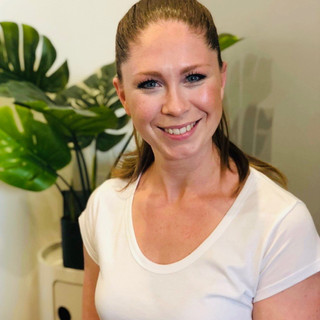
There’s a kind of grief many adults carry quietly.

It doesn’t always come from one dramatic event. Sometimes it arrives slowly — through injury, stress, hormonal changes, poor sleep, caring for others, work pressures, or simply the accumulation of years spent putting yourself last.
One day you realise you don’t quite feel like you anymore.
You miss the version of yourself who moved more freely. The one who had energy for walks, exercise, hobbies, spontaneity, intimacy, adventures, or even just getting through the day without feeling depleted.
For many adults over 40, this feeling can creep in gradually. And because life is busy, it’s easy to dismiss it.
You tell yourself:
This is just what getting older feels like.
Everyone is tired.
I should be grateful.
I’ll get back to myself later.
But underneath those thoughts is often something more tender:
I miss me.
It’s Not Vanity. It’s Identity.
Wanting to feel strong, energetic, capable, and comfortable in your body is not superficial.
It’s deeply human.
Movement is tied to independence, confidence, mood, and connection. When your body starts to feel stiff, sore, unreliable, or foreign, it can affect far more than fitness.
It can change how you:
show up at work
play with your children or grandchildren
socialise
sleep
manage stress
feel attractive
trust yourself
imagine the future
This is why losing capacity can feel surprisingly emotional.
It’s not about six-packs or chasing youth.
It’s about feeling like your life has become smaller than it used to be.
Why This Often Happens After 40
Our 40s and beyond can be full.
Many people are juggling careers, parenting, relationships, aging parents, illness, changing hormones, old injuries, interrupted sleep, and the invisible mental load of holding everything together.
Bodies often become less of a priority not because you don’t care — but because there has been no space left for you.
Then pain, stiffness, fatigue, or weight changes arrive, and it can feel like your body has suddenly betrayed you.
Usually, it hasn’t betrayed you.
More often, it has adapted to years of stress, reduced recovery, inconsistent movement, and competing demands.
That is very different from being broken.
You Are Not Too Late
One of the most harmful beliefs I hear is:
“I’ve left it too long.”
You haven’t.
The body remains adaptable well into midlife and beyond. Strength can improve. Confidence can return. Energy can rebuild. Pain can settle. Capacity can grow.
Not overnight. Not through punishment. Not through unrealistic plans.
But through steady, sensible change.
What Helps Most
If you’re feeling disconnected from yourself physically, start small and start kindly.
Rebuild trust before intensity
You don’t need to “smash yourself” in the gym.
Often the first step is simply proving to yourself that movement still feels possible.
Prioritise consistency over perfection
Ten minutes regularly is more powerful than waiting for the perfect hour.
Address the whole picture
Pain and fatigue are rarely just about one joint or one muscle. Sleep, stress, strength, hormones, recovery, and load all matter.
Stop comparing yourself to your younger self
Your body now needs a smarter strategy, not the same strategy you used at 25.
You’re Allowed to Want More
You’re allowed to want relief.
You’re allowed to want strength.
You’re allowed to want energy.
You’re allowed to want to feel at home in your body again.
That isn’t selfish. It isn’t vanity. It isn’t unrealistic.
It’s a healthy response to knowing there is more life you want to live.
You Don’t Have to Figure It Out Alone
If your body feels unfamiliar, frustrating, or like it’s holding you back, good guidance can make a real difference.
Sometimes the first step isn’t fixing everything.
It’s simply having someone listen, assess what’s really going on, and help you move forward with a plan that fits this season of life.
Warmly, Jen
General information only: This article is educational in nature and not a substitute for personalised medical advice. If you have persistent pain, significant fatigue, or health concerns, please consult your GP or qualified healthcare provider.


Comments